
The Hidden Costs of a Maldives Trip (And How To Plan For Them)
The Maldives looks like pure magic in photos: glassy turquoise water at luxury resorts, private villas, and cocktails over the ocean. But what often isn’t captured in those Instagram posts are the Maldives hidden costs, with a bill that shows up at checkout, especially after pricey international flights. The real cost of a Maldives vacation often includes unexpected charges and extras that many travelers do not plan for at all.
This guide breaks down the five biggest hidden costs in the Maldives, with real numbers and examples. You will learn what actually drives your bill up, how to approach budgeting your trip before you book, and where you can save without ruining the experience. If you want that postcard-perfect trip without a money hangover, this is for you.
For official destination info, Visit Maldives provides an overview of the islands and how the resort system works.
Table of contents
- Why the Maldives Gets So Quickly Expensive
- Hidden Cost #1: Transfer Costs for Resort Transfers That Shock First-Timers
- Hidden Cost #2: Food And Drink Prices On Private Islands
- Hidden Cost #3: The Illusion Of “Free” Nights On Points
- Hidden Cost #4: Service Charges And Government Taxes
- Hidden Cost #5: Activities, Diving, Spa Days, And Your Time
- How To Plan A Maldives Trip Without Financial Regret
- Conclusion: Paradise Is Better When You Know The Real Price
Why the Maldives Gets So Quickly Expensive
The Maldives is a unique destination. Almost every resort sits on its own private resort island. That looks amazing in photos, but it also means:
- You cannot walk to a cheaper restaurant down the street.
- You cannot take a cheap Uber from the airport.
- You cannot shop around for day tours from random vendors.
You are in a closed system on your resort island, where your accommodation and resort control almost everything you eat, drink, and do. On top of that, the country has required taxes and fees, including service charges, that quietly add about 25 percent to almost every line on your bill.
Once you understand that, the rest of the costs make a lot more sense.
Hidden Cost #1: Transfer Costs for Resort Transfers That Shock First-Timers

You Land In the Malé Capital City, But You Are Not “There” Yet
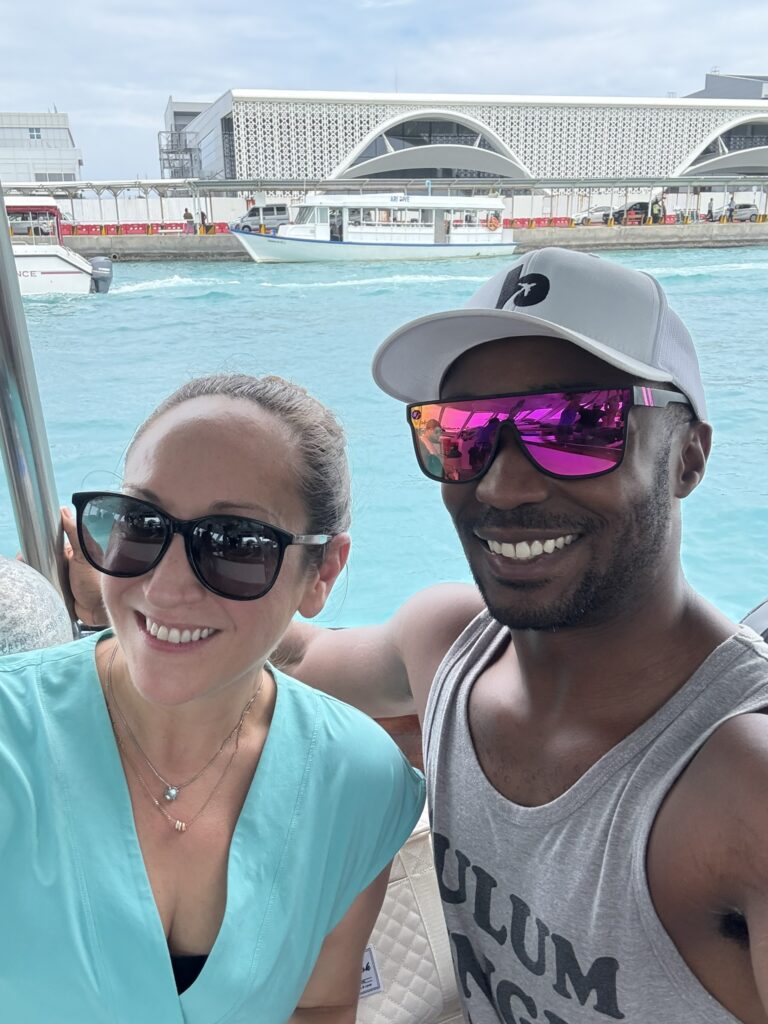
When your plane touches down in the Malé capital city, your Maldives trip is not actually started. You still have to get to your resort island. That extra hop is almost never included in your room rate.
There are three main types of transfers:
- Speedboat transfers from Malé to nearby resorts
- Seaplane transfers for more remote islands
- Domestic flight plus boat for far-flung atolls
Each option comes with a different price tag, and none of them are cheap.
Typical Transfer Prices
Here are common ranges per person for roundtrip transfers:
| Transfer Type | Approximate Cost (Roundtrip, Per Person) | Notes |
|---|---|---|
| Speedboat (nearby resort) | $100 – $300 | Usually for islands close to Malé. |
| Seaplane | $400 – $800 | Most common for remote islands; scenic ride. |
| Domestic Flight + Speedboat Combo | Similar to seaplane in many cases | Often priced comparably to seaplanes. |
A family of four can drop over $1,000 on round-trip transfers before they even see their room.
Why You Cannot Shop Around For Transfers
Transfers are usually booked through the resort, not some price-comparison site. There is usually:
- No competition
- No discount for booking early
- No option to pick a cheaper provider
On top of that, seaplanes only fly during daylight hours according to regulations set by the Maldivian Civil Aviation Authority and airport scheduling guidelines.
How to protect your budget:
- Ask for exact transfer prices before you book any resort.
- Compare resorts not only by nightly rate, but by nightly rate plus transfer cost.
- If you are torn between two places, a cheaper transfer can tip the balance.
That “deal” you saw on a luxury island can become average value once you add unexpected charges of $1,600 in seaplane fees.
Hidden Cost #2: Food And Drink Prices On Private Islands

Why Food Costs So Much In The Maldives
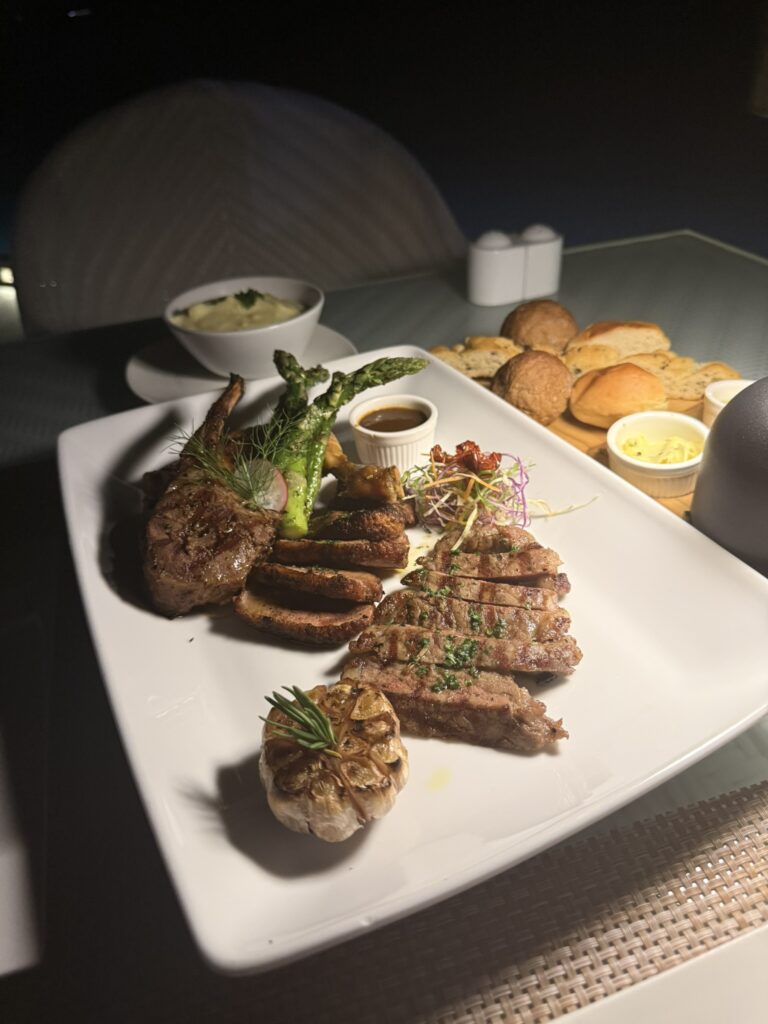
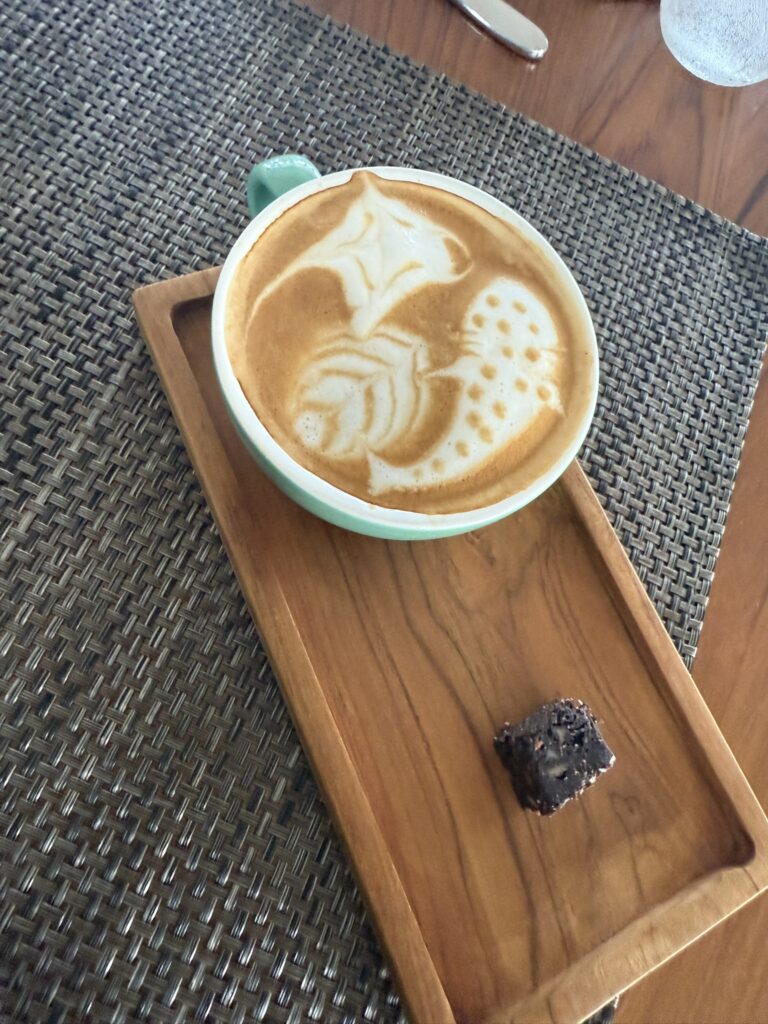
The food in the Maldives is often excellent, but you pay for the logistics behind it. Almost everything is imported: meat, produce, alcohol (which drives up alcohol costs), even bottled water. Your resort island has the only:
- Restaurant
- Coffee shop
- Bar
- Mini market
With no nearby town and no rival restaurant, the resort sets the price. You either pay it or go hungry.
Real-World Food And Drink Prices
Here are typical ranges you might see:
| Item | Approximate Price Range |
|---|---|
| Lunch buffet | $35 – $100 per person |
| Cocktails | $18 – $25 each |
| Sparkling water (1 bottle) | $6 – $10 |
| Dinner for two (casual) | $150 – $300 |
| Single burger | Up to $50 |
That $50 burger might be delicious, but it is still a $50 burger.
Meal Plans: Half Board, Full Board, And All-Inclusive
Maldives resorts love meal plans with terms that sound generous but hide limits in the fine print.
Common options:
- Half Board: Usually breakfast and dinner. Lunch is not included.
- Full Board: Breakfast, lunch, and dinner, often only in the main restaurant.
- All-Inclusive: Food plus drinks, sometimes snacks, and in some cases a few activities. An all-inclusive package can seem comprehensive, but check the details on what’s truly covered.
Here is what often surprises people:
- Full Board often does not include drinks. Even soda and water at dinner can be extra.
- Some premium all-inclusive plans exclude premium liquors or specialty restaurants.
- You might pay extra for room service, even on an all-inclusive package.
I have seen cases where a bottle of still water on a Full Board plan cost an extra $10 at dinner.
Questions To Ask Before You Book
To avoid ugly surprises, get clear answers to things like:
- Which restaurants are included in the plan?
- Are soft drinks included or only at certain times?
- Are cocktails included at every bar or only in one location?
- Are specialty restaurants or tasting menus included or discounted?
If you plan to drink daily, an all-inclusive package can remove the stress of signing checks all day. If you do not drink much alcohol, Full Board plus a few a la carte extras might be smarter than a pay-as-you-go approach.
For snacks, bring your own. Protein bars, nuts, or small treats sound basic, but they look amazing when the only other option is a $10 cookie.
Hidden Cost #3: The Illusion Of “Free” Nights On Points
Why Free Nights Are Not Really Free
Using hotel points to book a Maldives resort feels incredible. You might redeem 25,000 points per night for a room that sells for $1,000 in cash. That is fantastic value, but it does not mean your stay is free.
Here is what points usually do not cover:
- Seaplane or domestic transfer costs
- Room upgrades, like overwater villas
- Taxes
- Service charges
- Green Tax
Your points might only wipe out the base room rate for your accommodation, and everything else hits your credit card.
Transfers And Upgrades On Points Stays
Take high-end options like Alila or Park Hyatt in the Maldives. They can run around 25,000 World of Hyatt points (or transferred Chase points) per night. That sounds great until transfers cost around $600 per person roundtrip, in cash. Or you want the famous overwater villa, not just the entry-level beach villa.
Beach villas are still beautiful, and many people love the extra space. But if you want that Instagram-friendly overwater stay, expect a cash top-up of $300 to $900 per night to upgrade.
Taxes and Fees: Service Charges and Green Tax
On top of room charges and food, you pay:
- 10 percent service charge
- 12 percent GST (Goods and Services Tax)
- $6 per person per night Green Tax
These are not based on zero, even when you use points. They are calculated on the full rack rate or on each item you consume.
For a $900 room, taxes and fees can push the real cost over $1,100 per night before you ever order a drink.
Status Can Help, But Does Not Erase Costs
Elite hotel status can save a serious amount. For example:
- Complimentary breakfast every day, which can make it feel more like an all-inclusive package
- Late checkout so you use facilities longer
- Possible welcome drinks or small gifts
On one trip, status perks like free breakfast and discounts on food and drinks saved roughly $1,000 over a week. That is real money. Still, the big lesson is simple: a points redemption can make a Maldives trip possible, but it will not make it cheap.
As a rule of thumb, take your ideal nightly budget and add at least 25 percent for taxes and fees. Then see if you still feel good about the trip.
Hidden Cost #4: Service Charges And Government Taxes
The Fees Hiding In Plain Sight
I already mentioned this, but still it should be made clear that some costs in the Maldives are fixed and non-negotiable. You cannot talk your way out of them, and they apply almost everywhere. These taxes and fees are:
- 10 percent service charge
- 12 percent GST (Goods and Services Tax)
- $6 per person per night Green Tax
Together, these charges add roughly 25 percent on top of almost everything:
- Room rates
- Food and drink
- Spa treatments
- Excursions and activities
How A $55 Lunch Becomes A $70 Lunch
It helps to see the math. If a lunch buffet is listed at $55:
- Add 10 percent service charge: $55 + $5.50 = $60.50
- Add 12 percent GST on the new total: $60.50 + $7.26 ≈ $67.76
Round up a bit for any extra item, and you are close to $70 for one lunch.
Multiply this across a week of meals for two, and the difference is huge.
A Simple Rule To Avoid Checkout Shock
When you are planning:
- Take any quoted room rate’s initial price, then multiply by 1.25.
- Do the same for your rough food budget.
Build those higher numbers into your spreadsheet from day one. That way, the folio you receive on your last day looks boring and expected, not a terrifying final bill.
If you like deep-dive strategies on using points, miles, and premium cabins to offset these costs, check out this recap of a Maldives trip that breaks down redemptions and upgrades in detail: Our Maldives Return: Luxury Travel Tips.
Hidden Cost #5: Activities, Diving, Spa Days, And Your Time


“Included Activities” Usually Mean Very Basic Stuff
Resort brochures for resort islands often list “included activities,” which sounds generous at first. In reality, the free activities are usually:
- Use of snorkeling gear
- A short kayak or paddleboard session as part of basic water sports
- Basic access to a gym or fitness activities
The things you really dream about usually cost extra.
What Popular Activities Actually Cost
Here are ballpark ranges for common Maldives experiences, including diving and snorkeling:
| Activity | Approximate Price Range (Per Person) |
|---|---|
| Single scuba dive | $150 – $300 |
| Whale shark or manta ray tour | $100 – $200 |
| One-hour sunset cruise | $75 – $150 |
| One-hour spa treatment | $150+ (before tax and service) |
It is easy to say yes to:
- A manta ray excursion
- A sunset cruise
- A couple’s massage
- One or two dive sessions
Do that two days in a row, and your daily spend can double without you noticing. For travelers specifically interested in manta rays and ethical wildlife encounters, the Manta Trust offers excellent guidance on responsible tourism if that’s important to you.
How To Enjoy Experiences Without Blowing The Budget
A few smart moves can help:
- Pick your must-do activities before you arrive. For example, one whale shark trip, one sunset cruise, and one spa visit.
- Ask your resort if they offer packages or credits for longer stays or special offers that bundle activities.
- If you plan time on a local island or in a guesthouse, check local tour operators. They often charge up to 70 percent less for very similar diving and snorkeling trips, which can include island hopping options.
The goal is not to say no to everything. It is to say yes with clear eyes.
The Hidden Cost Of Your Time And Comfort
There is another cost people forget: how you feel on the last day. Many travelers check out of the resort, fly back to Malé, then sit in the airport for 6 to 8 hours waiting for a late-night flight home.
Malé’s airport can be:
- Crowded
- Hot
- Short on comfortable seating
After a luxury stay, it feels like a harsh reset. Spending $200 to $250 on:
A day room at a nearby hotel, which can be the difference between a miserable layover and a relaxed transition home. For example, a short day stay at a hotel like Hulhulé Island Hotel, which sits near the airport, can give you:
- A shower
- A real bed for a nap
- A proper meal
- A quiet place to wait out bad weather
Sometimes the smartest luxury is not a fancier room, but protecting your mood and energy at the end of the trip.
How To Plan A Maldives Trip Without Financial Regret
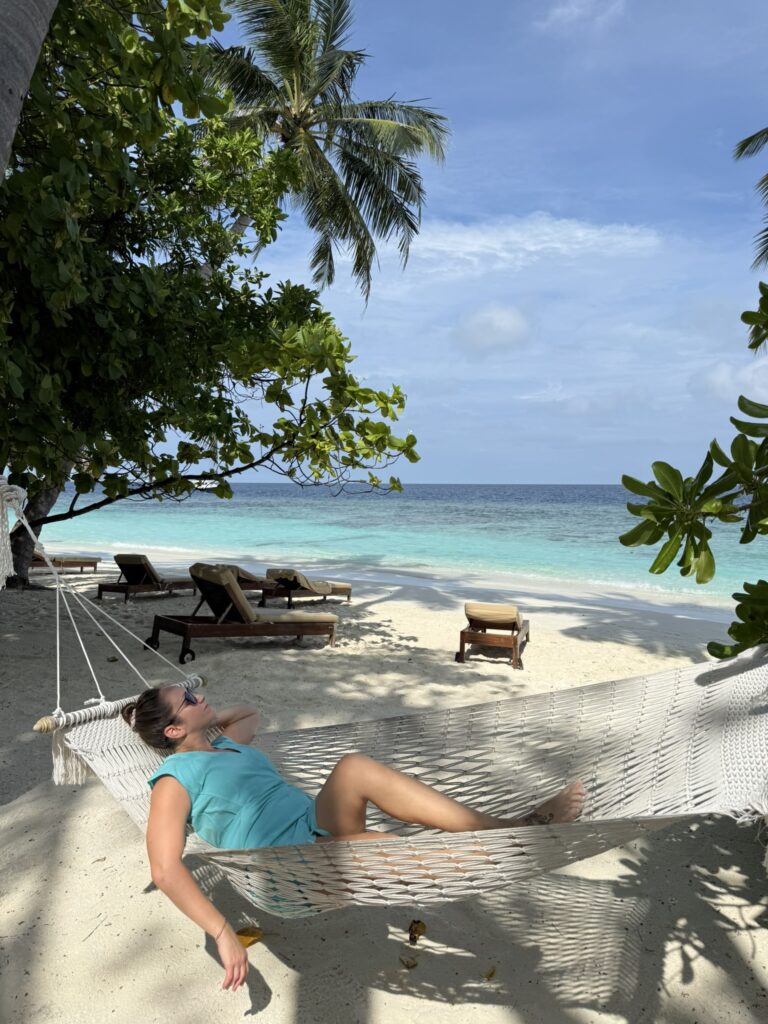
Once you see the full picture and start budgeting your trip, the Maldives stops being a mystery and becomes a math problem you can actually solve.
Here is a simple way to plan:
- Start with flights and transfers. Include the roundtrip resort transfer costs for every traveler.
- Pick your accommodation at a resort with clear meal plans, such as an all-inclusive package. Ask questions until you know what is and is not included.
- Add 25 percent for taxes and fees on rooms, food, and most extras.
- Choose your must-do activities in advance and price them out.
- If using points or free night certificates, consult a travel advisor for guidance and list every cash cost that still applies: transfers, taxes, upgrades, and activities.
This might sound like a lot, but a simple spreadsheet with these numbers can save you thousands of dollars and a lot of stress.
Conclusion: Paradise Is Better When You Know The Real Price
The Maldives’ luxury resorts will probably always feel like a dream. Crystal water, private villas, empty sandbars, and quiet nights with nothing but waves outside your door. None of that changes when you are honest about the numbers.
The real difference between a magical trip and a stressful one is whether you plan for the Maldives hidden costs: transfers, expensive food and drinks, taxes and service charges, activity prices, and even the cost of your time on departure day. Once you bake all of these into your budget, you are back in control.
You can still use points, hunt for deals, and say yes to bucket list experiences. You just do it with clear expectations and no shock at your final bill. Before you hit “book,” take an hour, run the numbers, and decide what matters most on the resort islands. That way, when you sink into that overwater hammock with a drink in hand, you will enjoy it without wondering what surprise is waiting in your folio.